Real Estate
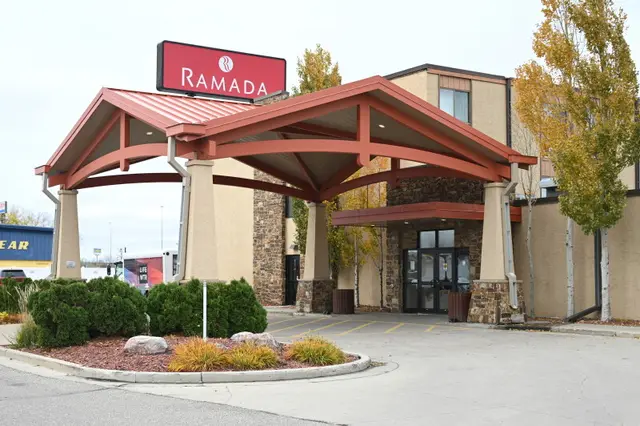
Ramada Fargo sold for $4.1M, new owners plan hotel renovations
By Sofia Cheung
Advertisement · Why this ad?
A proud graduate of Minot State University, Ella has spent the past five years covering high school sports for the Minot Daily News. She is passionate about promoting youth athletics and spotlighting the achievements of local student-athletes.
More from Ella →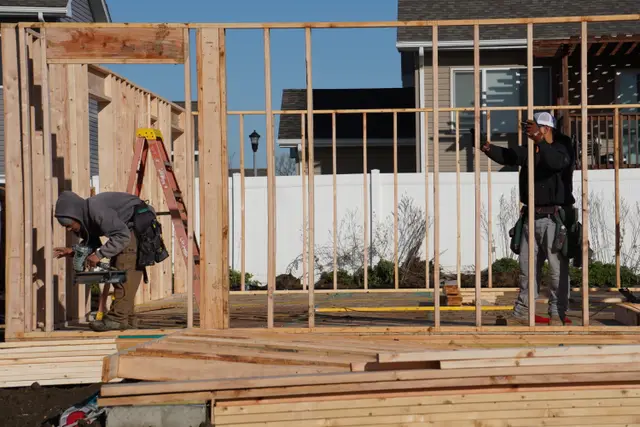
The clang of hammers and the whir of saws are familiar sounds in Minot, a testament to our city’s enduring spirit of growth and opportunity. But lately, those sounds carry a note of concern as local homebuilders wrestle with rising costs and dwindling supplies, making it increasingly difficult to provide affordable housing for our families. As Mike Hayes, a long-time contractor now working with Next Gen Builders, recently observed, “Affordability is going to have to be a joint venture between developers, builders, subcontractors, suppliers and incentive programs.” It’s a challenge that touches every one of us—from young couples dreaming of their first home to seniors hoping to downsize—and demands a community-wide effort to find solutions.
The reality facing Minot’s homebuilders is stark. A combination of factors, including diminished lot supply fueled by previous low interest rates, skyrocketing land costs (doubling or tripling in the past five years), inflationary pressures on building materials, burdensome bonding requirements, significant upfront funds needed for utility installations, and a shortage of skilled labor—all contribute to the current affordability crisis. These challenges aren't unique to Minot; Nate Applegren, president of the North Dakota Association of Builders and owner of Applegren Construction in Grand Forks, confirmed these are statewide issues while attending a state conference in Minot. Joe Hillerson, NDAB secretary and owner of Boulder Homes in Bismarck, echoed this sentiment, noting that “Every single market is probably short labor, which keeps the cost high.” The difficulty is compounded by the fact that homeowners are hesitant to move and trade their low-interest mortgages for significantly higher rates, impacting the availability of starter homes.
Next Gen Builders is attempting to navigate these challenges through innovative strategies. They’re building 1,150-square-foot homes in the Stonehaven development along 55th Street Southeast, with a proposed selling price of $275,000—a significantly lower price point than the current statewide average of around $300,000 for new stick-built single-family homes. This affordability is achieved through a combination of factors including smaller lot sizes made possible by recent City of Minot zoning changes and a relentless focus on cost control. Hayes emphasized the importance of “watching those pennies,” regularly price-checking materials, establishing relationships with subcontractors willing to hold the line on costs, and even taking advantage of volume purchase deals and seller rebates.
The situation is further complicated by a disruption in the natural progression of homebuyers moving up to larger homes, leaving fewer starter homes available for first-time buyers. According to a statistic from the National Association of Realtors, the average age of a first-time homebuyer is now 40 years old—a reflection of the financial hurdles facing young families today. This shortage impacts not just individuals but also our community’s overall economic health, as a lack of affordable housing can hinder workforce attraction and retention. The City of Minot plays a crucial role in addressing these concerns, and builders are seeking collaborative solutions to ease the burden.
Builders are employing various techniques to combat rising costs. Nate Applegren highlighted how working with nonprofit groups to build houses on donated lots with special state financing can significantly reduce costs, although this isn't a universally accessible option. Joe Hillerson pointed out the growing demand for quality, with buyers often rejecting more affordable options with lower-end finishes, stating, “They don’t want laminate countertops. They want quartz. They just don’t want cheap.” He also noted that the limited labor pool in the region drives up costs.
The shortage of skilled labor is a significant hurdle. While temporary housing for outside labor crews can offer a short-term solution, Hayes cautions that it doesn't foster the long-term employee relationships crucial for consistent quality and efficiency. “It doesn’t give you the same long-term employees,” he explained.
According to recent data, North Dakota is facing a shortage of over 10,000 skilled construction workers. This shortage is impacting project timelines and driving up labor costs, further exacerbating the affordability crisis. The lack of experienced tradespeople is forcing builders to rely on less-experienced workers, which can compromise the quality of construction and increase the risk of costly errors.
Mike Hayes has outlined several ways the City of Minot can assist in getting more homes built and on the tax rolls without significant spending. These suggestions include streamlining infrastructure inspection processes, funding public amenities like streetlights and signs, and reevaluating policies that impose unnecessary costs on developers – such as requiring developers to donate a spare light post to the city on every project. A temporary property tax freeze on land acquired for development, contingent upon timely property improvements, is another potential incentive to encourage new construction.
Hayes' recommendations extend beyond simple cost reduction; they aim to foster a more developer-friendly environment. He suggests exploring options like:
Streamlined Inspections: Reducing the need for developers to hire private engineers for certain infrastructure inspections.
Public Amenities Funding: The city could contribute to the cost of public fixtures, lessening the financial burden on developers.
Temporary Tax Freeze: Incentivizing development through a temporary property tax freeze on land acquired for development, conditional upon timely property improvements.
While Minot faces unique challenges, the issues are part of a broader trend across North Dakota and the nation. Hillerson noted that while North Dakota builders are fortunate to have cooperative relationships with local officials, conversations with builders at national events reveal that similar cost pressures exist elsewhere. The reluctance of homeowners to move, coupled with rising interest rates, is a nationwide phenomenon disrupting the traditional housing market progression.
Next Gen Builders is exploring a potential program to buy down mortgage rates on its affordable homes, a move that Hayes believes could pave the way for more developments like Stonehaven in southeast and north Minot. The company currently has 90 shovel-ready lots, indicating a commitment to expanding affordable housing options within our community. This initiative aligns with the broader goal of increasing housing stock and addressing the current shortage—a priority echoed by builders across the state.
Beyond individual builder efforts, there’s a need for proactive policy adjustments at the city level. Hayes’ suggestions, coupled with ongoing collaboration between builders and local government, are crucial for creating a sustainable housing market. The State of North Dakota also has a role to play in supporting affordable housing initiatives.
Seeing the dedication of builders like Mike Hayes and Next Gen Builders gives me such hope for our city’s future. It’s so encouraging to witness them actively seeking ways to make homeownership more accessible, especially in a time when rising costs are creating so many barriers for young families. While the challenges they face—from fluctuating material prices to workforce shortages—are significant, their willingness to innovate and collaborate shows the resilience and heart of our community.
What really struck me is how the reluctance of homeowners to move, clinging to those historically low mortgage rates, is creating a ripple effect throughout the entire housing market. It’s a tangible consequence of economic shifts that impacts everyone. I think it underscores the importance of not just building more homes, but also educating potential buyers about the long-term financial implications of staying put versus making a move—even if it means facing slightly higher interest rates. The stability and security that comes from owning a home, especially for young families starting out, is invaluable – and we need to find ways to make that possible.
My hope is that the City Council will seriously consider the suggestions from builders regarding easing regulatory burdens and providing incentives for development. These aren’t just about helping builders; they’re about investing in our community’s future—creating opportunities for families to put down roots, build wealth, and contribute to the vibrancy of Minot. And let's not forget the vital role of strong marriages and stable families in building a thriving community. When families are secure and rooted in their homes, it strengthens the very fabric of our society.
For those seeking more information about affordable housing options or assistance programs, here are a few resources:
Remember, reaching out to local housing organizations and seeking professional financial advice can also be invaluable steps in navigating the complexities of homeownership.
The spirit of ingenuity and community collaboration that defines Minot is our greatest asset as we tackle this challenge. By working together—builders, government officials, and residents—we can ensure that the dream of homeownership remains within reach for generations to come. Let’s continue to support our local builders and advocate for policies that promote affordable housing, building a stronger and more vibrant Minot for all.
Bismarck, North Dakota
Real Estate
Saturday, November 14, 2026
7 min
By Sofia Cheung

By Carlos Martinez

By Sofia Cheung
By Lance Thompson